
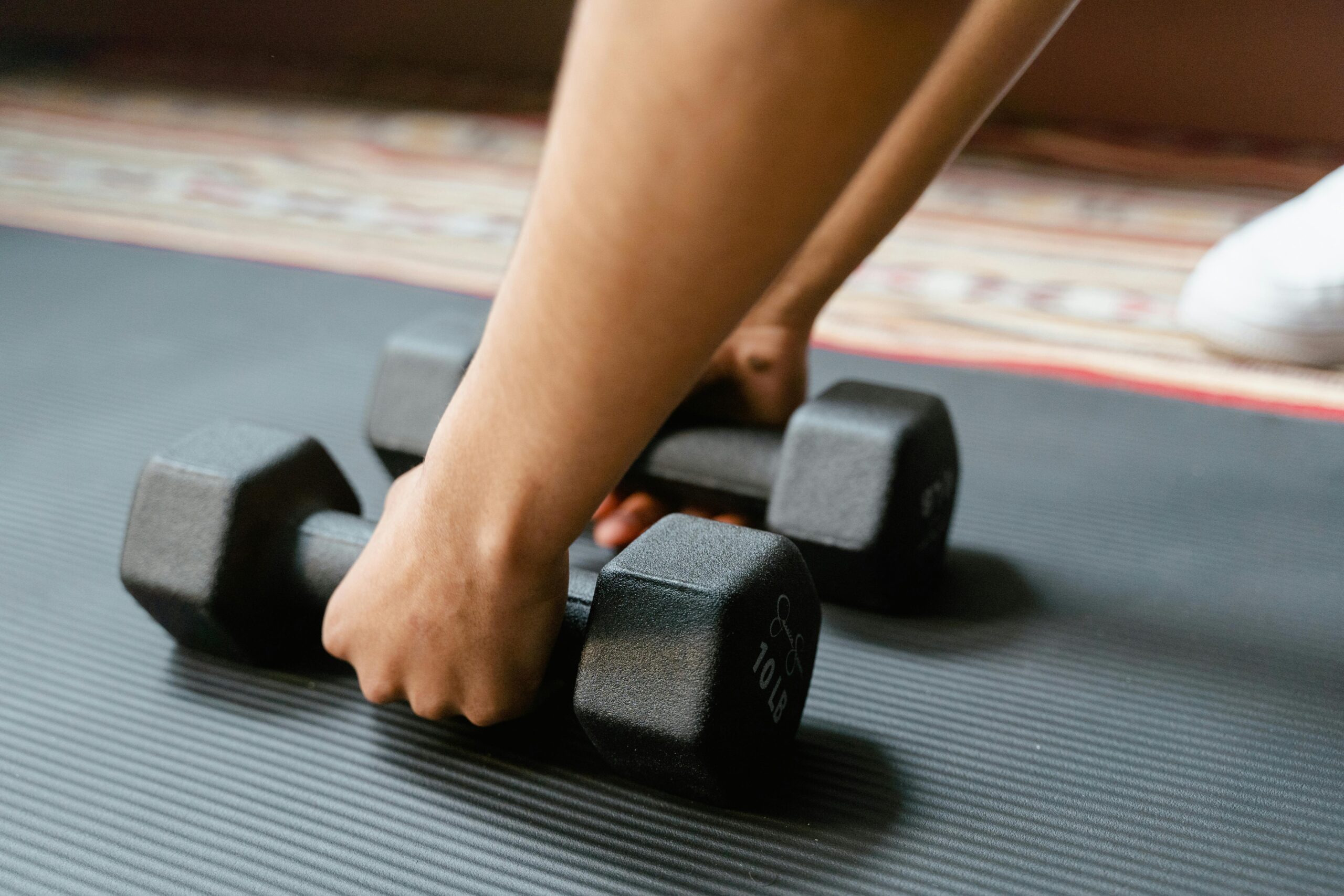
Weight training is one of the most beneficial types of exercise during perimenopause and menopause. As hormones change, many women notice differences in muscle strength, energy levels and body composition. Strength-based exercise can help support overall health, confidence and long-term wellbeing.
It is also one of the most effective ways to support longevity. Maintaining muscle strength as we age is closely linked to independence, mobility and quality of life later in life.
If you are unsure where to begin, the most important thing to remember is that there is no single “perfect” starting point. The best weight training for menopause is the approach that feels achievable, sustainable and supportive for your body.
At Owning Your Menopause (OYM), movement is one of our five core pillars because physical strength plays an important role in healthy ageing. Our live and on-demand classes are designed specifically for midlife women, with options ranging from beginner sessions through to more advanced strength and conditioning workouts.
You can explore the OYM membership and start a free trial
Why weight training is recommended during menopause
During menopause, declining oestrogen levels can affect muscle mass, bone density and metabolism.
Strength training can help support:
- muscle maintenance and strength
- bone health and density
- balance and stability
- metabolism
- joint support
- energy levels
- confidence in movement
- long-term mobility
Muscle naturally decreases with age, but regular resistance training can help maintain strength and function.
Strength training is also strongly linked with longevity. Maintaining strength supports the ability to move well, reduce injury risk and maintain independence as we age.
Building strength during midlife can help support health not only now, but in later decades.
Weight training and longevity
Longevity is not only about living longer, but also maintaining quality of life.
Strength training supports healthy ageing by helping to:
- maintain muscle mass
- support bone strength
- reduce risk of falls
- support joint health
- maintain mobility
- support metabolic health
- improve physical resilience
These factors contribute to maintaining independence and confidence over time.
Weight training is therefore not just about short-term fitness goals, but about supporting long-term health and capability.
What is the best type of weight training for menopause?
The best weight training programme includes a variety of exercises targeting different muscle groups.
A balanced routine often includes:
Lower body strength
Lower body exercises support balance, stability and mobility.
Examples include:
- squats
- lunges
- glute bridges
- deadlifts
Lower body strength supports everyday activities such as walking, climbing stairs and lifting.
Upper body strength
Upper body exercises help maintain posture and functional strength.
Examples include:
- rows
- shoulder presses
- chest presses
- bicep curls
Upper body strength supports daily activities such as carrying bags or lifting.
Full body workouts
Full body sessions provide an efficient way to build strength across multiple muscle groups.
These sessions are often ideal for busy schedules.
Strength and conditioning
Strength and conditioning classes combine resistance exercises with movement patterns that support overall fitness and stamina.
These sessions can be adapted to suit different ability levels.
Inside OYM, members can access live and on-demand sessions including:
- lower body strength classes
- upper body workouts
- full body strength sessions
- strength and conditioning classes
- beginner-friendly sessions
- progressive programmes for building strength safely
Starting where you are
One of the most common questions about weight training is knowing which weights to use.
Everyone starts at a different point, depending on previous exercise experience, injury history and confidence levels.
It is important not to compare your starting weights with others.
Some women may begin using bodyweight only, while others may feel comfortable starting with light dumbbells such as 1–3kg.
Gradually increasing weight over time helps muscles adapt safely and build strength.
Using weights that feel too heavy too quickly can increase injury risk, while weights that are too light may not provide enough stimulus for strength improvements.
A helpful guide is to choose a weight that feels challenging by the final few repetitions of an exercise, while still allowing good technique.
Progressive increases over time can support both strength development and confidence.
How often should you do weight training during menopause?
Many women benefit from strength training two to three times per week, depending on individual experience and schedule.
Rest and recovery are also important, as muscles need time to repair and adapt.
Consistency over time often leads to the most sustainable results.
Confidence grows gradually
It is common to feel unsure when starting weight training, particularly if it is new.
Confidence often develops gradually as movements become more familiar and strength increases.
Supportive guidance can make a meaningful difference.
Within OYM, sessions are designed to be adaptable, helping members progress at a pace that feels comfortable.
Strength as part of a holistic approach to menopause
Weight training is most effective when combined with other supportive lifestyle factors.
At OYM, we support women across five key pillars:
- nutrition
- movement
- sleep
- mental wellbeing
- expert guidance
Together, these areas help support energy, strength and long-term wellbeing.
Strength support inside OYM
Inside the OYM membership, you’ll find movement sessions designed specifically for perimenopause and menopause, including:
- live strength classes led by experienced instructors
- on-demand sessions available anytime
- beginner to more advanced options
- lower body, upper body and full body workouts
- strength and conditioning classes
- guidance on progressing weights safely
- supportive instruction encouraging you to start where you are
You can explore the OYM membership and start a free trial.
Weight training during menopause does not need to feel overwhelming. With the right guidance and gradual progression, building strength can support confidence, independence and longevity.
Owning your menopause includes feeling strong in your body today while supporting your health for the future.