

Alcohol Awareness Week takes place from 6th–12th July 2026 and provides an important opportunity to explore the relationship between menopause and alcohol. As more women seek information about how alcohol affects menopause symptoms, sleep, mood and overall health, this awareness week encourages us to take a closer look at our drinking habits and reflect on the impact alcohol can have on our wellbeing.
5 Ways Alcohol Affects Your Body During Midlife
1. Lower Tolerance and Poorer Sleep
For women in midlife, this is especially important. As we move through perimenopause and menopause, our bodies begin responding differently to alcohol. Understanding these changes can help us make informed choices about our health.
You may notice that you feel tipsy faster than you used to, experience worse hangovers, or struggle more with sleep after drinking. Alcohol can disrupt sleep quality, leaving you feeling tired, foggy, and less able to function the next day.
2. Increased Anxiety and Low Mood
Alcohol can intensify symptoms such as low mood, irritability, and anxiety. It can also affect emotional regulation, making it harder to cope with everyday stresses. Many women find that the dreaded “hangxiety” becomes much worse during midlife.
3. Weight Gain and a Slower Metabolism
From our 40s onwards, metabolism naturally begins to slow down and fat is stored more easily. Alcohol adds extra calories with very little nutritional value, can increase appetite, and places additional strain on the liver. This can be particularly important for women who are taking HRT.
4. Bones and Breasts
Alcohol can weaken bones, which is particularly concerning as bone density naturally decreases during menopause.
It can also increase the risk of breast cancer. Research suggests that even one alcoholic drink per day can increase breast cancer risk by around 10%.
5. Alcohol and HRT
Alcohol won’t stop HRT from working, but it can interfere with the liver’s processing of hormones. Some women also find that symptoms such as breast tenderness and bloating become worse when drinking alcohol.
4 Practical Ways to Shift Your Drinking Habits
If you’re thinking about cutting back, here are some realistic and sustainable ways to make a change.
1. Introduce Alcohol-Free Days
Give yourself a break by scheduling a few alcohol-free days each week. This can help reset your tolerance, support your liver, and may help you notice the benefits of drinking less.
2. Try “Zebra Striping”
If you’re drinking socially, you don’t necessarily need to cut alcohol out completely. “Zebra striping” means alternating between an alcoholic drink and a glass of water or a soft drink. This helps you stay hydrated and naturally reduces your overall alcohol intake.
3. Create a New Non-Alcoholic Ritual
If you’ve developed a habit of having a drink to unwind in the evening, try swapping it for a sophisticated alcohol-free alternative. You can still enjoy the ritual of pouring a drink, sitting down, and relaxing—just without the alcohol.
4. Track Your Symptoms and Intake
Keeping a simple diary of what you drink and how you feel the next day can be incredibly helpful. Over time, you may start to recognise patterns and see how alcohol is affecting symptoms such as sleep, mood, energy levels, hot flushes, or brain fog. This awareness can help you make changes that feel right for you.
3 Delicious Alternatives to Alcohol
If you’re looking for some easy swaps, here are a few ideas:
1. Kombucha
Kombucha has a sharp, tangy flavour that many people enjoy as an alternative to alcoholic drinks. It may also support digestion. Try serving it over ice with a raspberry in a nice glass to make it feel like a special cocktail.
2. Flavoured Sparkling Water
Sparkling water with a splash of cordial can be surprisingly satisfying. Add cucumber, strawberries, lime, oranges, berries, or any combination of fresh fruit to create a refreshing drink that feels a little more special.
3. Try Some New Alcohol-Free Recipes
There are lots of delicious non-alcoholic drink recipes available online that can help you find something you genuinely enjoy.
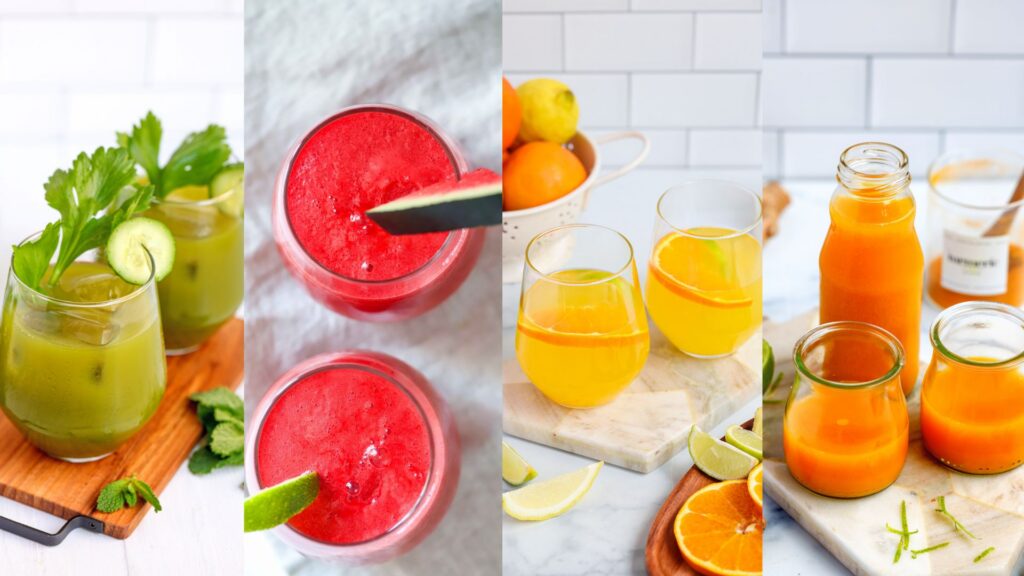
Here are the refreshing drinks you’ll find in the OYM app – perfect for staying cool, hydrated and alcohol-free this summer.
*links open in app
2 Ways to Support a Hangover
Let’s be realistic—sometimes we do have a few drinks. If you’re dealing with a hangover, here are two simple things that can help.
1. Hydrate
Rehydrating is the most important thing you can do. Drink plenty of water, herbal teas, and fluids throughout the day. You could also try making our homemade electrolyte drink: explore the OYM membership and start a free trial.
2. Rest
Give yourself permission to slow down. Put on your favourite TV show, read a book, have a nap, spend some time in a sauna, or simply relax. Your body needs time to recover.
Final Tip: Be Kind To Yourself
A hangover often feels worse when we start beating ourselves up about it.
If you’ve had a few drinks, that’s okay. Move on and don’t let it derail your progress. Stressing, feeling guilty, or getting angry with yourself won’t help – you’ll only end up feeling worse.
Take yourself for a walk, do a little yoga, sit down with a nice cup of tea, or simply give yourself permission to rest. Finding the right balance with alcohol takes time, and one evening doesn’t undo all of your hard work.
It’s not a setback, it’s part of learning what works for you.
If You’re Struggling, Reach Out
If alcohol is becoming difficult to manage, it may be worth speaking to your GP or seeking support from a specialist service.
Most importantly, don’t beat yourself up about it. There is absolutely no shame in asking for help. Alcohol can be incredibly difficult to cut down on because it is so deeply normalised in our culture.
Talk to friends, family, your GP, or a professional support service if you’re struggling. You don’t have to deal with it on your own.