
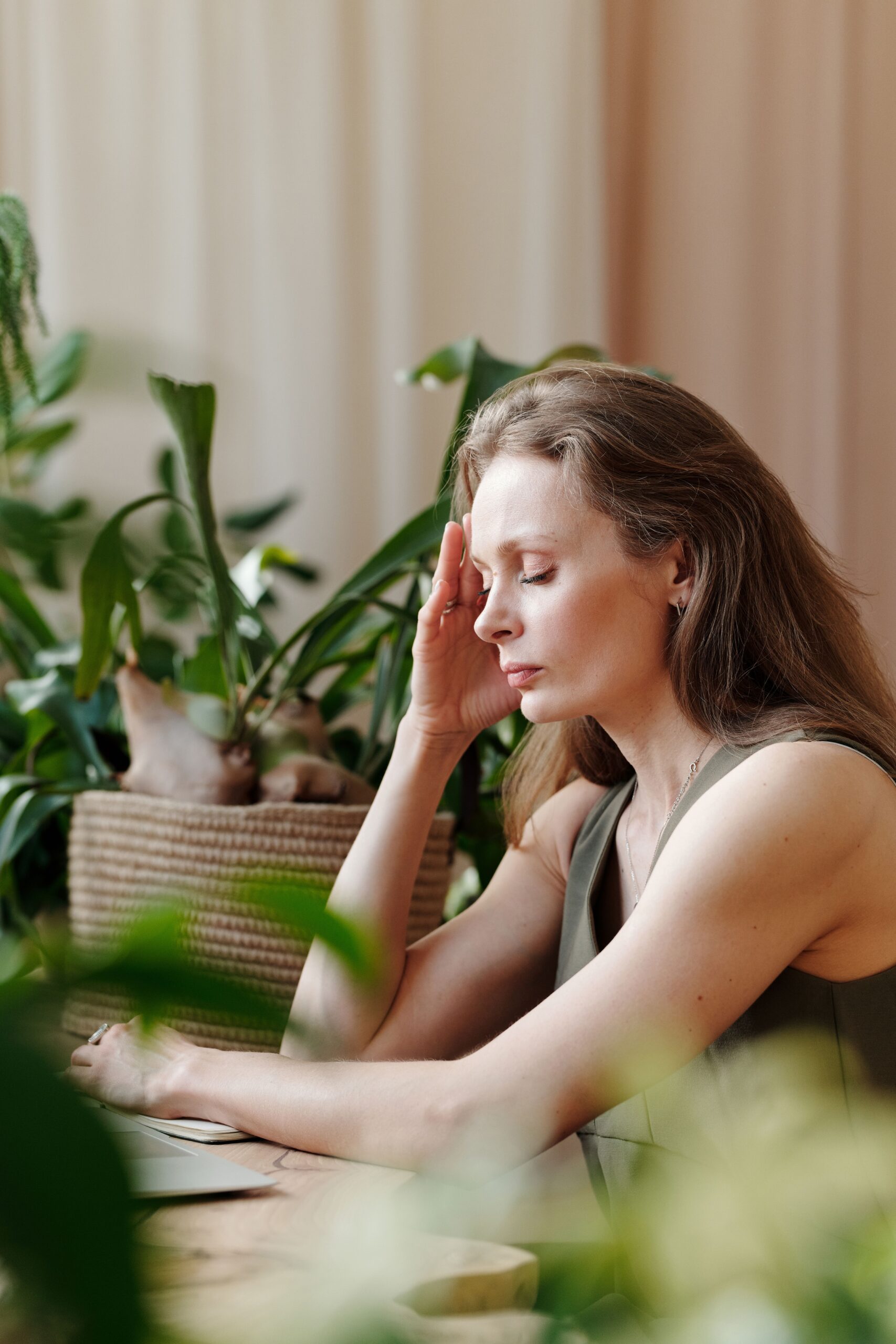
Maybe it’s your joints. Maybe it’s your head. Maybe it’s more than one kind of pain at once. If pain seems to affect more of your life than it used to, you’re not imagining it, and you’re not alone.
Chronic pain at midlife is the theme of this year’s World Menopause Day on 18 October. The International Menopause Society (IMS), which founded the day, says chronic pain at midlife shouldn’t simply be accepted as part of life. It also says women shouldn’t be left believing they’re imagining it when standard tests don’t give an obvious answer.
How common is chronic pain in perimenopause and menopause?
According to the IMS 2026 White Paper:
- Women are up to 70% more likely than men to experience chronic pain.
- Almost 3 in 4 women have joint or muscle pain during perimenopause.
- Migraine is a leading cause of disability in women aged 15 to 49.
- Fibromyalgia is around 3 times more common in women than in men.
Chronic pain is common in midlife, and more likely during the menopause transition. It often shows up as more than one type at once, such as joint pain with migraine, or pelvic pain with tiredness. It’s real and has physical causes, even when scans or blood tests look normal.
Key terms explained
What is chronic pain?
Pain that lasts, or keeps coming back, for more than three months.
What is central sensitisation?
A change in how your nervous system works. Over time it can become more sensitive and react strongly to things that wouldn’t normally hurt as much. This is a real, physical change in your nerves, not a sign that anything is being imagined.
What is musculoskeletal syndrome of menopause?
A group of changes linked to falling oestrogen alongside the ageing process, which can include joint pain, stiffness and, for some women, weaker muscles.
Why does menopause cause pain?
Falling oestrogen affects your nerves, joints and muscles, and it also affects how your brain processes pain signals. At the same time, many women are dealing with poor sleep, low mood or hot flushes, all of which can make pain feel worse. The IMS White Paper describes hormonal changes interacting with the nervous system, immune system, musculoskeletal health, sleep, mood and lifestyle.
For some women, pain conditions they already had change during this time; sometimes they improve, sometimes they get worse. For others, pain appears for what feels like the first time.
What types of pain are common in perimenopause and menopause?
Joint and muscle pain. The most common type at midlife. It can affect your hands, knees, hips, neck or back, often with stiffness, especially in the morning. Frozen shoulder is one example; read more in What Is Frozen Shoulder? Symptoms, Causes and the Menopause Connection.
Migraine. For many women, migraine becomes more frequent or more severe in the lead-up to menopause, often linked to changing hormone levels. For some, it improves after menopause.
Pelvic pain. This can include period-type pain that continues after your periods have stopped, pain during sex, or bladder discomfort. It’s common, and it’s treatable.
Widespread pain and fatigue. Some women have pain in several places at once, along with tiredness, poor sleep and trouble concentrating. This pattern is sometimes called fibromyalgia.
How can I get the most from a GP appointment about menopause pain?
There’s no single fix, but there are things that can help. The IMS says chronic pain at midlife needs individualised, multidisciplinary approaches, so ask your doctor for a plan rather than accepting pain as something to live with.
- Mention every type of pain together, not just the one that bothers you most.
- Talk about sleep, mood and hot flushes too, since they can all feed into pain.
- Keep a short diary of where it hurts, when, and what makes it better or worse. Download the pain and symptom diary (PDF)
- Ask what your options are, including how your menopause symptoms might be treated as part of the plan.
Frequently asked questions
How do I know if my chronic pain is linked to menopause?
Can menopause cause joint pain?
Can perimenopause cause migraines?
Should I see my GP about pain during menopause?
Sources:
NHS. “What Is Chronic Pain?” NHS Inform, 20 Oct. 2023, www.nhsinform.scot/illnesses-and-conditions/brain-nerves-and-spinal-cord/chronic-pain/what-is-chronic-pain/. Accessed 12 Oct. 2026.
“Perimenopause, Menopause and Pain :: Lancashire and South Cumbria NHS Foundation Trust.” Www.Lscft.Nhs.Uk, www.lscft.nhs.uk/services/service-finder-z/community-pain-service/perimenopause-menopause-and-pain. Accessed 12 Oct. 2026.
“Resources – International Menopause Society.” International Menopause Society, 29 June 2026, www.imsociety.org/education/world-menopause-day-2026/resources/. Accessed 12 Oct. 2026.
“World Menopause Day 2026 – International Menopause Society.” International Menopause Society, 18 June 2026, www.imsociety.org/education/world-menopause-day-2026/. Accessed 12 Oct. 2026.