
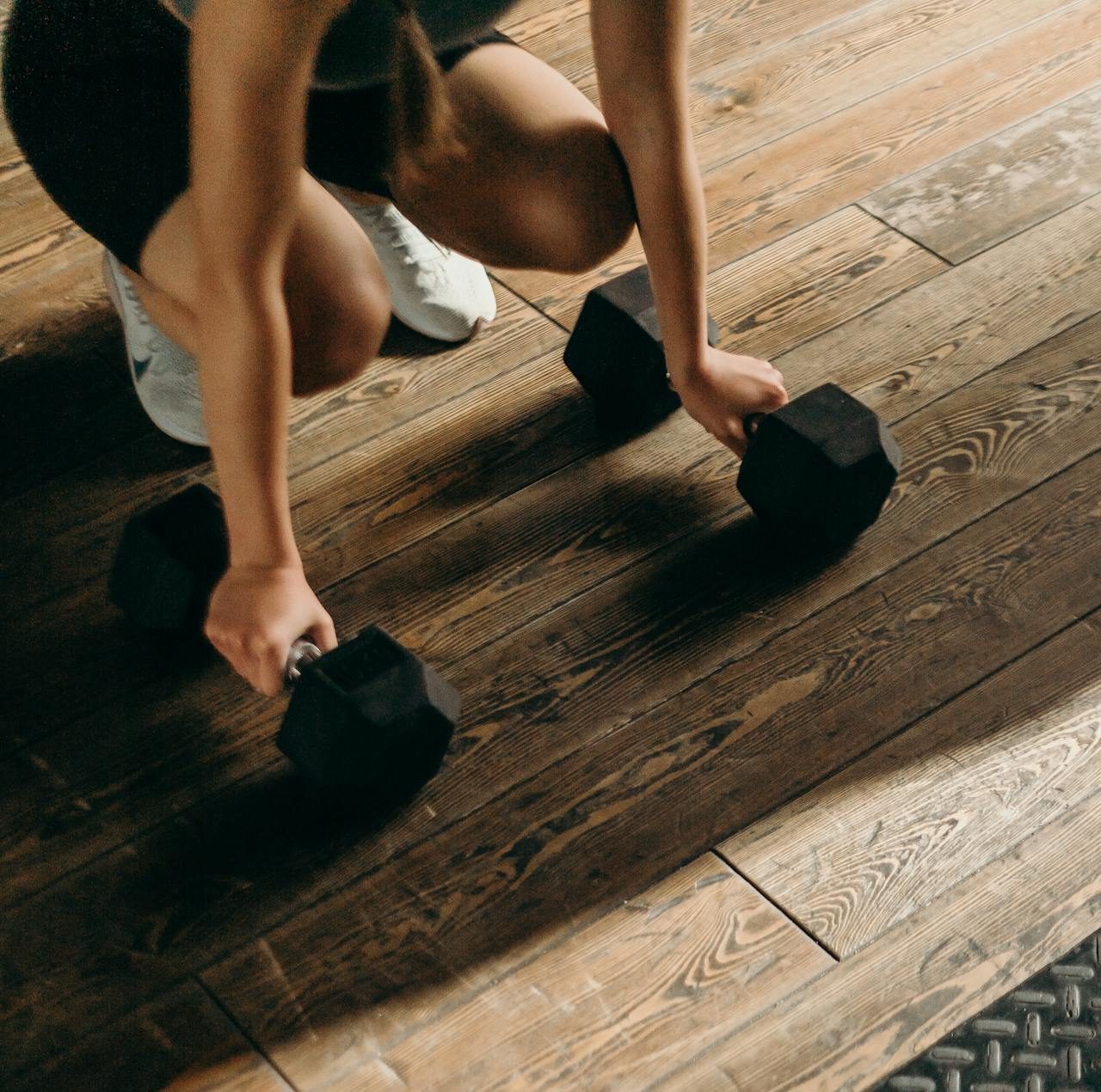
Menopause is a transformative time in a woman’s life. Alongside natural hormonal shifts, many women experience changes in metabolism, muscle mass, bone density, and overall energy levels. While this period can bring challenges, it’s also an opportunity to embrace strength and vitality through lifestyle choices, especially weight training.
In this blog post, we’ll explore why weight training is essential during menopause, how it works in combination with nutrition, other forms of exercise, and lifestyle habits to optimise health and wellbeing.
Why Weight Training Matters During Menopause
As estrogen levels decline during menopause, women often face changes that can affect physical health, including:
- Loss of muscle mass (sarcopenia)
- Decreased bone density (osteoporosis risk)
- Slower metabolism and weight gain
- Increased risk of cardiovascular disease
Weight training, also known as resistance training, directly combats these changes. By using free weights, resistance bands, or even bodyweight exercises, women can build and maintain muscle mass, support bone health, and boost metabolism.
Research shows that women who engage in regular strength training during menopause not only maintain muscle mass but also experience improvements in insulin sensitivity, cardiovascular health, and overall functional strength. Simply put, weight training helps your body stay strong, resilient, and healthy as it navigates the hormonal shifts of menopause.
Benefits of Weight Training for Menopause
- Preserves Muscle Mass
After age 40, women naturally lose 3–8% of muscle mass per decade. Weight training stimulates muscle growth and prevents this decline, supporting mobility and daily functioning. - Supports Bone Health
Osteoporosis risk increases after menopause due to lower estrogen levels. Resistance exercises place stress on bones, encouraging bone remodeling and density, helping to prevent fractures and maintain skeletal strength. - Boosts Metabolism and Supports Weight Management
Muscle burns more calories than fat, even at rest. Maintaining or increasing lean muscle through weight training helps manage weight, particularly around the abdomen, which is common during menopause. - Improves Mood and Energy
Strength training releases endorphins, reduces stress, and can improve sleep quality. This is particularly beneficial during menopause, when mood swings, anxiety, and fatigue can be common. - Enhances Functional Strength and Balance
Everyday activities like lifting groceries or climbing stairs become easier with stronger muscles. Weight training also improves balance, reducing the risk of falls and injury.
Weight Training in Combination with Nutrition
Exercise alone is not enough. Nutrition plays a crucial role in maximising the benefits of weight training during menopause. Key considerations include:
- Protein Intake: Adequate protein supports muscle repair and growth. Aim for 1.2–1.6 grams of protein per kilogram of body weight daily, focusing on lean meats, fish, eggs, legumes, and plant-based protein sources.
- Calcium and Vitamin D: Essential for bone health. Dairy, fortified plant milks, leafy greens, and sunlight exposure can help meet requirements.
- Healthy Fats: Omega-3 fatty acids, found in fatty fish, chia seeds, and walnuts, support heart health and reduce inflammation.
- Balanced Diet: Whole grains, fruits, vegetables, and adequate hydration ensure your body has the nutrients needed to recover from training and support hormonal health.
By combining weight training with a nutrient-dense diet, women can maximise muscle growth, maintain healthy body composition, and support bone strength during menopause.
Integrating Other Exercise and Lifestyle Practices
Weight training works best when it’s part of a holistic fitness and lifestyle approach.
- Cardiovascular Exercise: Activities like walking, cycling, swimming, or jogging support heart health, improve circulation, and aid in weight management.
- Flexibility and Mobility Work: Yoga, Pilates, or stretching routines help maintain joint health and prevent stiffness.
- Stress Management: Meditation, mindfulness, and deep breathing exercises reduce cortisol levels, which can otherwise contribute to weight gain and inflammation.
- Sleep Optimisation: Hormonal changes during menopause can affect sleep quality. Prioritising 7–9 hours of restorative sleep enhances recovery from exercise and supports metabolic health.
Getting Started with Weight Training
If you’re new to weight training, the most important steps are starting safely and gradually:
- Consult Your Doctor: Especially if you have chronic health conditions or previous injuries.
- Start Small: Use light weights or bodyweight exercises to learn proper form.
- Focus on Major Muscle Groups: Legs, back, chest, arms, and core. Compound exercises like squats, lunges, push-ups, and rows provide the most benefit.
- Train 2–4 Times per Week: Allow muscles to recover between sessions.
- Progress Gradually: Increase weight, reps, or sets over time to continue challenging your muscles.
Remember, consistency is more important than intensity. Even modest, regular weight training can have transformative effects on strength, health, and confidence during menopause.
Final Thoughts
Menopause doesn’t have to be a period of decline, it can be a time of empowerment. Weight training is a cornerstone of maintaining muscle, bone, and metabolic health during this life stage. When combined with proper nutrition, cardiovascular activity, flexibility work, and a balanced lifestyle, it helps women thrive, not just survive through menopause.
By taking control of your fitness journey and embracing strength training, you can enhance energy levels, manage weight, improve mood, and protect long-term health. Strength, after all, isn’t just about muscles, it’s about owning this stage of life with confidence, vitality, and resilience.
To make it even easier to get started, Owning Your Menopause offers live and on-demand classes, designed specifically for women in menopause. Whether you’re a beginner or looking to challenge yourself further, our expert-led sessions guide you through strength training, functional fitness, and holistic wellness from the comfort of your home. Explore all the classes and start your journey today at Owning Your Menopause.